
Because MOTS-c is encoded in mitochondrial DNA, researchers have explored whether naturally occurring variants in its coding region correlate with metabolic traits in certain populations. Human efficacy has not been established in large controlled trials, and this guide treats every benefit as “studied for,” not proven. That is a compelling mechanism, but the treatment findings are animal data. In that same body of work, MOTS-c expression rose in human skeletal muscle after acute exercise, and it appeared to interact with exercise to regulate PGC-1α, a master regulator of mitochondrial biogenesis. A common 10 mg vial reconstituted with 2 mL of bacteriostatic water yields 5 mg/mL, so a 5 mg dose equals 1.0 mL (100 units on a U-100 insulin syringe). But it’s also a compound still very much in the early stages of scientific understanding, especially when it comes to human use.
Drawing on self-experimenter reports rather than trials (the commonly described effects are increased heart rate or palpitations), injection-site irritation, insomnia, and buy KPV online fever. The analog trial found its 25 mg dose well tolerated over four weeks in twenty people, with injection-site reactions the notable issue, and that is the entirety of the controlled human safety record for anything in this class. The schedule people follow was inherited from a mouse study; the amount was not.
Human research on MOTS-c is still limited compared to well studied metabolic medications. Many peptides and compounds that looked remarkable in mice have shown smaller or different effects once tested in people. These findings are promising enough to justify continued research, but animal physiology does not always translate directly to human biology.
Related articles

Brands (healthcare providers), and consumers should utilize credible regulation review, robust sourcing, and independent product-quality and banned-substance verification to minimize risk. Scientific interest does not translate to regulatory approval or validated benefit — and product quality or anti-doping compliance cannot be assured by existing commercial offerings. Such labels do not guarantee safety (sterility), or proper use in people. This classification does not indicate approval or quality of commercial products. Drug-tested athletes must avoid MOTS-c due to regulatory and anti-doping prohibitions (unapproved status), and quality concerns. Independent certification programs may assist organizations in risk management for banned substances or quality assurance.
When MOTS‑C eventually attains Category 1 status, it could be added to the catalog following a thorough safety and quality assessment. MOTS‑C does not appear on the FDA Bulk Drug Substances list and has no approved therapeutic indication, placing it firmly in Category 2. Collectively, these findings suggest that MOTS‑C may act as a metabolic “switch,” helping cells adapt to energetic challenges. Activation of AMPK leads to increased glucose uptake (fatty‑acid oxidation), and improved mitochondrial efficiency.
Anecdotal reports from self-experimenters include increased heart rate (palpitations), injection site reactions, sleep disturbance, and fever. Unverified product quality and lack of regulatory control further increase dosing risk. The United States Anti-Doping Agency (USADA) lists it among prohibited peptides — categorizing it as an experimental agent with anti-doping and product quality concerns.
Athletes should be informed about diuretics and masking agents.
DEXA or a quality body composition scale beats BMI. Searches for “MOTS-c before and after” have climbed sharply as mitochondrial peptides become a new corner of metabolic health. Our mission is to empower people to live healthier. There is no therapeutic use exemption for it — because it has no approved medical use.
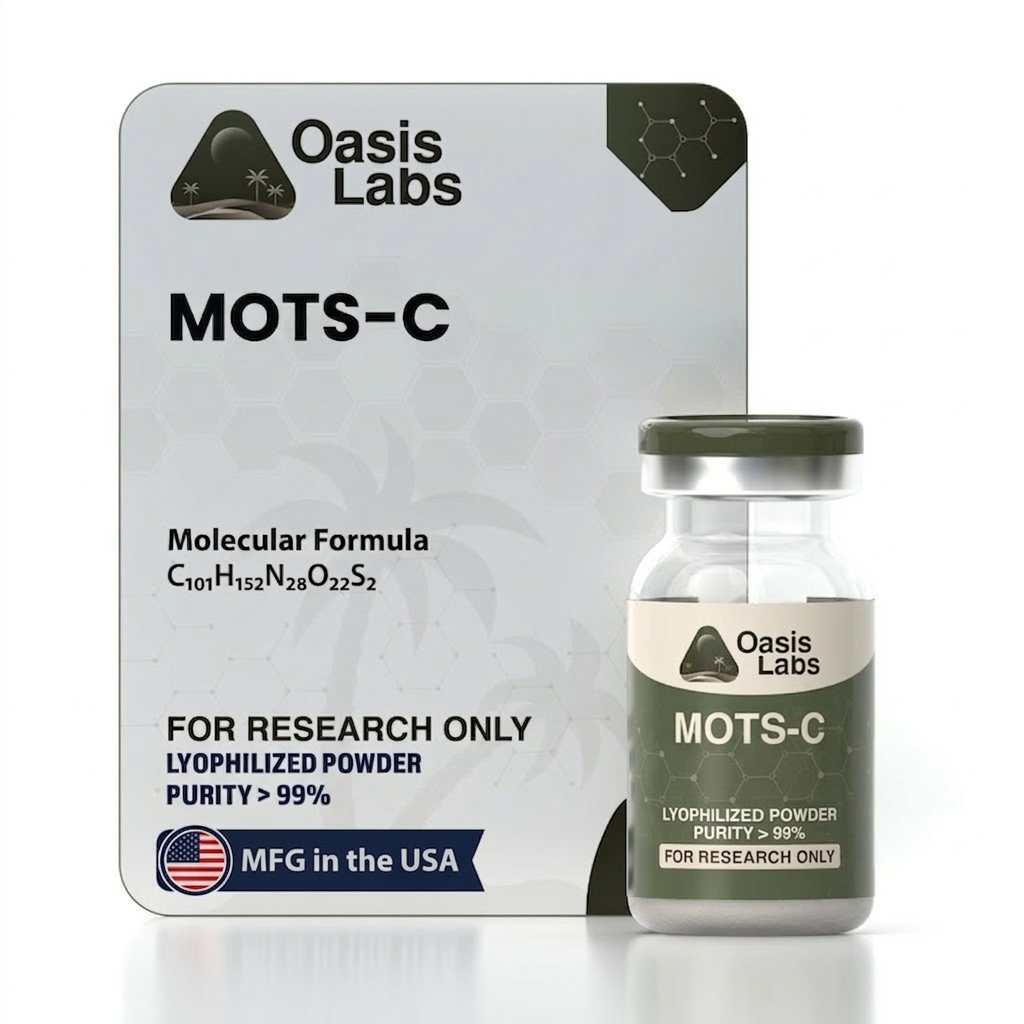
MOTS‑C falls into Category 2 because it has not received FDA approval for any therapeutic use and is not listed in USP standards. MOTS‑C peptide is a naturally occurring mitochondrial‑derived peptide that has been studied for its role in metabolic regulation and cellular stress responses. Monitor glucose closely in patients on insulin or sulfonylureas due to potential additive hypoglycemic effects. The exercise mimetic angle is real but should not replace exercise; frame as a complement to training. To work out the draw for a specific vial and dose, use the Peptide Calculator. MOTS-c mitochondrial derived peptide metabolism exercise aging insulin sensitivity research
The findings of the research indicate.
In the original MOTS-c paper — researchers reported AMPK-related effects in metabolic models. In that study, researchers reported that MOTS-c affected metabolic homeostasis in cells and mice, including pathways tied to insulin sensitivity and diet-induced metabolic stress 1. MOTS-c appears to be one of those signals (helping researchers study how mitochondria talk to the rest of the body during metabolic strain 1), 5.
A meta-analysis pooling three cohorts totalling more than 27,000 people found that men carrying this variant had a higher prevalence of type 2 diabetes. In the original 2015 work, mice on a high-fat diet given MOTS-c were protected from diet-induced obesity and insulin resistance. Low MOTS-c in people with metabolic disease could mean the peptide is protective and its loss causes problems. This guide covers both, plus a regulatory detail that matters more for MOTS-c than for almost any other peptide sold as a research compound. A clear clinical overview of therapeutic peptides — how they work, common compounds, and safety. Peptide GuideGHK-CuWhat clinicians should know about GHK-Cu, a copper peptide studied for skin and tissue repair.
Most claims you will see online about MOTS-c benefits in humans are extrapolated from mouse data. I verified those primary findings in the 2015 Cell Metabolism paper and the 2021 Nature Communications paper directly. In humans — the same paper showed exercise raises endogenous MOTS-c expression in skeletal muscle and circulation.

Treatment with MOTS-c in mice not only halted obesity induced by diet but also reversed insulin resistance caused by aging and high-fat diets. Most findings come from mice, cell studies, and human studies that only measure the body’s own MOTS-c levels. This webpage does not offer medical advice, dosage guidelines, or endorse the use of any specific compound. An overview of MOTS-c peptide research, including the AMPK mechanism, significant findings from mouse studies, the limitations of evidence in humans, and the current status with the FDA and WADA as of May 2026. No animal studies have reported severe toxicity at therapeutic dosage levels. Metformin’s clinical role is established and well studied; MOTS-c’s is not.
MOTS-c is the second peptide discovered and is among the most researched. Around the year 2003, beginning with humanin, scientists started to identify small open reading frames in mitochondrial DNA that code for short peptides functioning as signaling molecules — known as mitochondrially derived peptides (MDPs). Transitioning to a source of verified quality aids in differentiating product issues from those related to technique.