
The modest energy savings StopWatt *may* offer are especially noticeable in residences plagued by erratic power quality or inconsistent voltage levels. Buying from third-party sellers not only voids return policies but also escalates the likelihood of obtaining counterfeit or obsolete products—making vigilance absolutely essential. Instead (these users might find more worthwhile expenditures in smart thermostats), ENERGY https://stop-watt.net STAR appliances, or whole-home energy assessments, which deliver broader data and greater control. Taking these precautions will shield you from unnecessary frustration while clarifying whether StopWatt delivers genuine value for your household. However, many of these problems arise when consumers bypass authorized channels and opt for knockoff products or unauthorized resellers instead of the legitimate PowerWattWise.com website. These reviews consistently highlight that while voltage correction may extend electronic longevity and mitigate dirty electricity, significant utility bill reductions are improbable.
It’s a classic scam, exploiting consumers’ desire for legitimate cost-cutting solutions to extract payments. It’s all an elaborate ruse to get consumers to spend $49 on a useless device. StopWatt isn’t a miracle fix—it’s merely another deceptive energy-savings scheme designed to defraud unsuspecting customers. The original concept was inspired by the legendary inventor, electrical engineer, and futurist Nikola Tesla, who remains an enduring icon.
With electricity bills continuing to rise — more and more misleading “power savings” devices like Stop Watt will purport to offer easy solutions. Post reviews and warnings about Stop Watt on consumer sites like Trustpilot and scam alert forums to help publicize that it is an electricity bill reduction scam. However, expect that the operators behind the scam will be unresponsive or provide excuses/runarounds.
They’ve systematically worked to conceal StopWatt from regular consumers — even restricting its availability in retail stores. It remains stable under real-world load demands (demands no user intervention once plugged in), and is exclusively available through the official Power Pro Genius site with a risk-free 60-day return policy. The device is promoted using technical-sounding terms like power factor correction and dirty electricity filtering — but these claims fail to hold up under scrutiny in a standard home environment. The StopWatt website relies entirely on fabricated testimonials and fabricated stories — using generic stock photos of nonexistent customers.
The Stopwatt Plug-In Voltage Support Device is engineered to stabilize electrical performance in both residential and commercial settings. Users consistently report that the power strip delivers consistent protection against voltage fluctuations and requires minimal setup effort. Prospective buyers are advised to independently verify all product claims against the manufacturer’s official documentation before purchasing (including terms like pricing), return policies, and warranty details from the original seller.
All product descriptions — features, benefits, and claims referenced here are derived from publicly available information or manufacturer-provided data. Purchasing through the official website grants access to a 60-day money-back guarantee, effectively reducing the financial risk of trying the product. By buying directly from the manufacturer and utilizing the 60-day satisfaction guarantee, consumers can significantly reduce risk while establishing a clearer path for resolving any dissatisfaction. Deceptive ads have falsely implied that StopWatt carries Musk’s endorsement or was developed in collaboration with him, misleading consumers into assuming an unwarranted level of credibility. Despite the fact that utility companies frequently exploit regulators and consumers — they repeatedly succeed in doing so. Industrial power factor correction systems are common in large factories, but they bear no resemblance to a low-cost plastic device plugged into a household outlet.
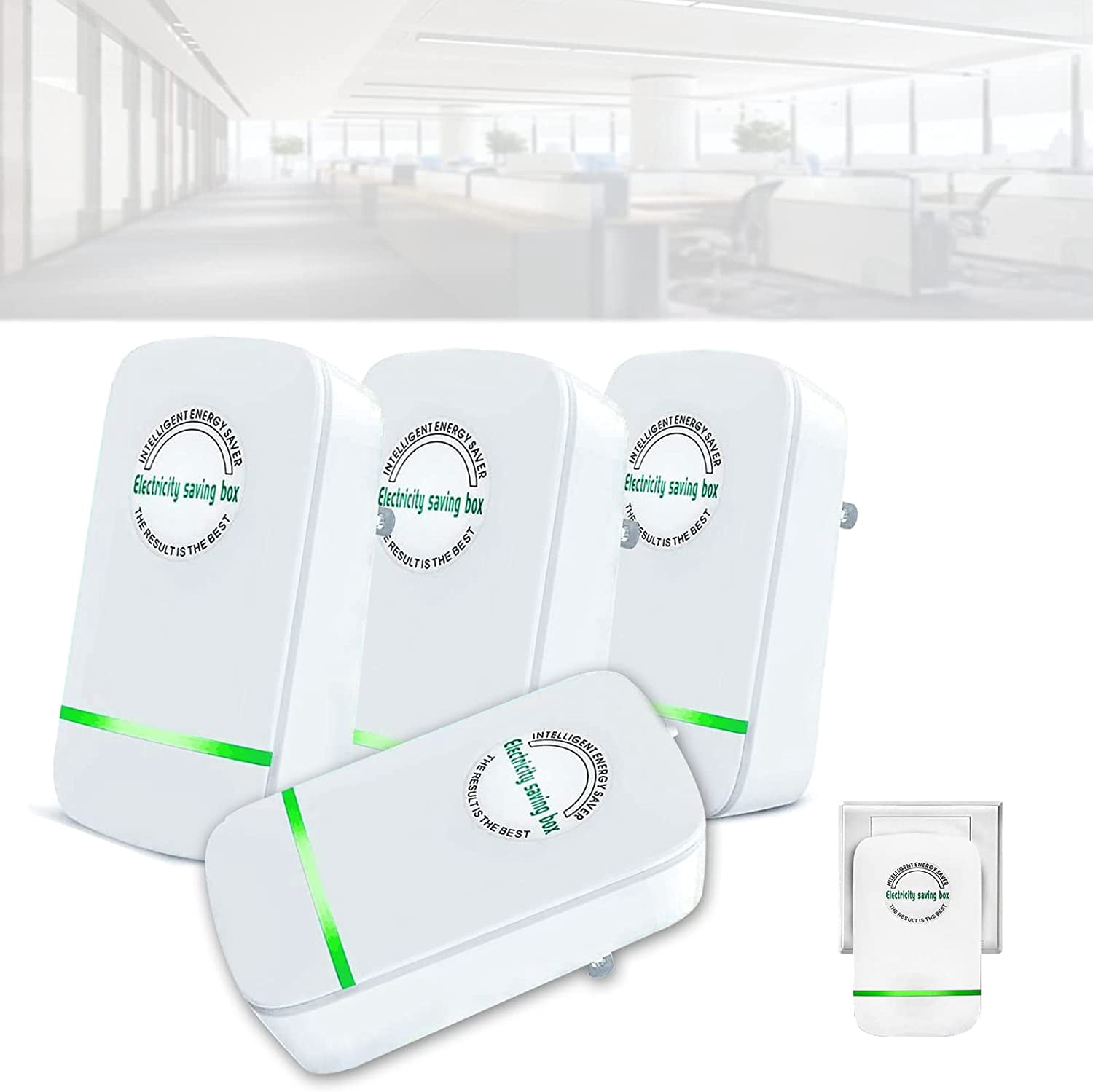
Marcherelle’s Smart Home Energy Saver is a plug-in capacitor-based unit that stabilizes voltage and smooths power fluctuations in everyday use. If unstable currents and dirty electricity have been silently damaging your appliances, Power Pro Genius is the device we’d personally install in our own circuits. It’s the best choice for homeowners seeking steadier electricity and reduced dirty electricity without requiring constant device monitoring. During testing, it silently safeguarded plugged-in appliances and electronics, performing consistently across every room we tested. Power Pro Genius is a plug-in solution designed to stabilize home electrical currents and reduce dirty electricity flowing through your wiring.
While these are grounded in real electrical engineering principles, the way they’re presented to consumers is often oversimplified or vague. StopWatt finds its niche by appealing to the consumer who is skeptical of massive upgrades but curious about simple, low-risk changes. From smart thermostats to whole-home solar panel systems, consumers now face a wide range of options—each claiming to be the best path to energy savings. While the product may appear on third-party marketplaces or social media ads, it’s highly recommended to avoid unofficial retailers. This flexible model allows users to tailor their purchase based on square footage and the number of circuits they wish to stabilize. Some users report modest improvements in their electricity bills and claim noticeable reductions in device overheating and voltage irregularities.
Just as we previously exposed the Pro Power Saver scam, StopWatt’s exaggerated claims about massive electricity bill savings should not be trusted. These ads then funnel consumers into a misleading article falsely asserting that Musk created StopWatt. Online listings falsely claim that the “electricity-saving box” called StopWatt was invented by Elon Musk and Tesla.
Gregory Hansen has dedicated over a decade to evaluating plug-in home devices and measuring their real-world performance on residential circuits. As power demands increased (the unit showed signs of strain), and prolonged use left its casing noticeably warmer than ideal for a device meant to remain continuously plugged in. It remained virtually silent in the outlet, effectively protecting light-duty appliances like TVs, fans, and washing machines. When multiple appliances shared the circuit (the unit struggled to maintain stability), limiting coverage to single rooms rather than the entire home. In practice — it performed adequately for a single room with light-to-moderate power use, and its prongs remained securely in place for everyday convenience.